Watercolor Cleaning Laundry Clipart Review
As a professional embroidery designer and product reviewer, I approach every new digital asset with a specific question: will this actually stitch out beautifully on fabric? When evaluating Watercolor Cleaning Laundry Clipart, my assessment goes far beyond the screen. While these illustrations are visually charming in their digital format, translating that soft, painted aesthetic into a tangible machine embroidery design requires careful consideration of texture, density, and end-use application. This review breaks down how this specific collection performs when moved from a digital folder to the embroidery hoop, specifically for makers and shop owners creating functional home goods.
First Impressions and Aesthetic Translation
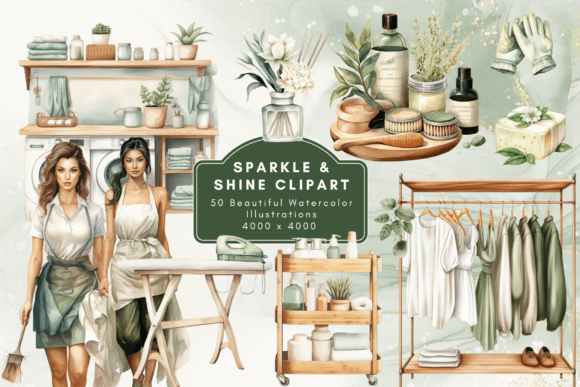
Upon opening the files, the immediate appeal of this Watercolor Cleaning Laundry Clipart collection is its nostalgic, domestic warmth. The visual personality leans heavily into cottagecore and vintage utility styles, featuring elements like washboards, soap bars, bubbles, and hanging garments. For an Etsy seller or boutique owner, this mood is highly marketable right now. However, watercolor presents a unique challenge in embroidery. Unlike vector art with hard edges, watercolor relies on gradients and soft boundaries.
In a real-world scenario, I recently tested similar laundry-themed assets for a custom tote bag design intended as a premium gift for a laundromat’s grand opening. The goal was to create something that felt artisanal rather than industrial. The clipart succeeded because the shapes were distinct enough to be interpreted through thread, even if the original watercolor blending had to be simplified into color blocks or textured fill stitch areas. If you are planning custom apparel or kitchen textiles, this aesthetic signals "handmade care" rather than mass production, which significantly increases perceived value for customers seeking a personalized gift.
Real-World Application: The Tea Towel Test
To truly evaluate viability, I applied this design concept to a flour sack tea towel project. Tea towels are a staple small shop product because they offer a flat, stable surface ideal for detailed work. Using the washing machine and soap bubble elements from the set, I found that the design worked best when treated as an accent rather than a full-coverage block.
For sweatshirt embroidery or heavier items like aprons, the whimsical nature of the cleaning theme adds a playful touch to utilitarian gear. I have seen great success using laundry icons as pocket-sized motifs on denim aprons for craft businesses. The key here is scale. These illustrations often contain delicate lines that mimic brush strokes. When stitching on a sweatshirt fleece, those fine details can get lost in the nap of the fabric. In my testing, increasing the size by 15% and utilizing a slightly heavier running stitch for outlines helped maintain clarity without making the design feel heavy or bulletproof.
For baby embroidery projects, such as bibs or nursery decor, the softer color palette inherent in watercolor art is perfect. However, safety and comfort are paramount. You must ensure the stitch density isn't too high, as dense watercolor-style fills can create stiff patches that irritate sensitive skin. Always prioritize open, airy stitching over solid coverage when adapting these illustrations for infant wear.
Critical Considerations for Fabric and Hoop Size
Not all fabrics are friends with watercolor-style digitizing. Because Watercolor Cleaning Laundry Clipart implies a level of artistic detail, placing it on highly textured fabrics like terry cloth or boucle can result in a muddy appearance. The intricate shading stitches compete with the fabric's own texture. For these surfaces, I recommend simplifying the design or using it as an applique design where the fabric piece provides the color and the embroidery provides the outline.
Hoop size selection is another practical constraint. Many digital illustration sets are sized for standard print dimensions, not embroidery hoops. Before purchasing or stitching, verify that the design fits your machine’s maximum field without excessive resizing. Resizing complex watercolor artwork down to fit a 4x4 hoop often destroys the integrity of the small details, turning distinct soap bubbles into unrecognizable blobs. Conversely, stretching a small icon to fill a large hoop can expose gaps in the fill stitch. Always check the native dimensions against your available hoops.
Dark fabrics also present a hurdle. Watercolor effects rely on light passing through layers of color. On black or navy fabric, this luminosity is lost unless you stitch a white underlay base first. This adds significant stitch count and time. For commercial embroidery runs where efficiency matters, reserve these designs for white, cream, or pastel backgrounds to preserve the intended look and keep production costs reasonable.
Designer Notes for Professional Results
If you are integrating this clipart into your design assets library, treat the digitizing process as an interpretation, not a tracing. Here are my practical notes for ensuring a high-quality finished product:
- Test on Scrap Fabric First: Never run a new watercolor conversion directly on a client’s garment. The interaction between thread colors and fabric weave varies wildly. Stitch a sample on the exact material you intend to use.
- Check Stabilizer Requirements: Watercolor designs often have variable density. Use a cut-away stabilizer for stretchy knits to prevent puckering around lighter shaded areas, and a tear-away for woven cottons like tea towels.
- Review Thread Color Contrast: Digital screens display millions of colors; embroidery machines use discrete thread shades. Map your palette physically before stitching. You may need to blend two thread colors manually or use gradient digitizing techniques to replicate the watercolor wash effect.
- Inspect Small Details: Zoom in on the embroidery file to check for tiny jumps or disconnected elements. What looks like a continuous brush stroke on screen might be three separate running stitches that won't connect on fabric.
- Mockup Verification: Create a printable mockup or digital preview showing the design on the actual product type. This helps manage customer expectations regarding the difference between the digital illustration and the stitched reality.
- Licensing Confirmation: Before selling any handmade product featuring this art, confirm the license allows for commercial physical sales. Some illustration licenses cover digital use only, while others permit finished embroidered goods but prohibit selling the digital embroidery file itself.
Elevating Brand Value Through Thoughtful Execution
Ultimately, Watercolor Cleaning Laundry Clipart offers a fantastic opportunity to differentiate your shop from competitors using generic stock vectors. The hand-painted feel translates to a sense of bespoke craftsmanship that buyers love. Whether you are creating holiday embroidery for spring cleaning gifts, branding for a cleaning service, or cute nursery items, the versatility is evident.
However, the success of the project hinges on respecting the medium. Embroidery is sculptural; it has height, shadow, and texture. By adapting these illustrations with an eye toward stitch mechanics rather than just visual replication, you ensure that your embroidered patch, tote, or apparel item stands up to washing and wear. Customers trust sellers who understand their craft. When your stitching is clean, the registration is precise, and the design suits the fabric, you build that trust instantly. Take the time to test, adjust, and refine your approach to this clipart, and it will become a reliable asset in your creative business toolkit.