Funny Mouse Illustrations: Watercolor Clipart Review
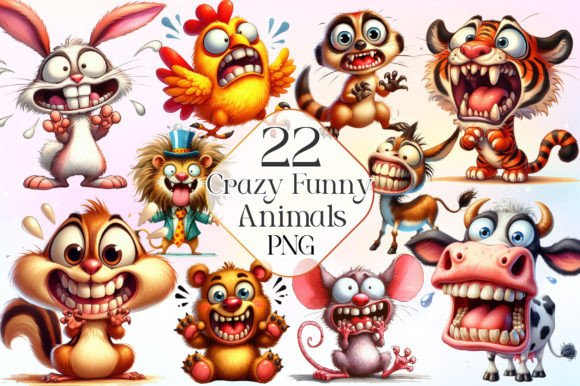
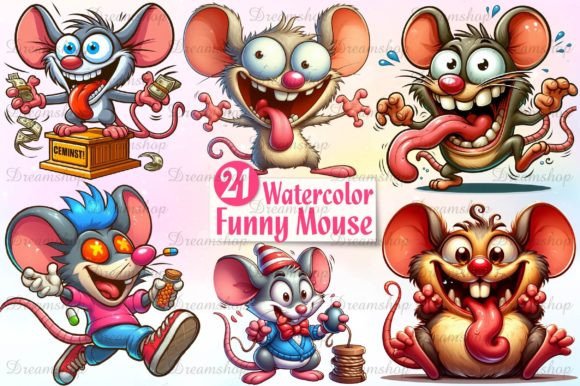
When evaluating a new graphic design asset for my Etsy shop and print-on-demand portfolio, I look beyond simple aesthetics. As digital product creators, we must assess viability, versatility, and commercial potential. My first impression of this Watercolor Mouse Clipart Funny Mouse Png collection was that it strikes a delicate balance between whimsical charm and professional illustration quality. The mood is distinctly playful yet retains a soft, handmade elegance that appeals to the nursery decor and children’s apparel niches. Unlike generic vector art, these illustrations possess a textured, organic personality that suggests premium craftsmanship. For sellers targeting mothers, teachers, or stationery enthusiasts, this visual style signals warmth and approachability, which are critical factors for conversion in creative marketplace listings.
Commercial Viability Across Product Categories
In a real shop scenario, I would never rely on a single asset type. Before listing this Watercolor Mouse Clipart Funny Mouse Png, I tested its adaptability across multiple revenue streams. The high-resolution PNG design format makes it immediately suitable for sublimation design projects. I found the colors remained vibrant when transferred to ceramic mug designs and polyester tumbler wraps, provided the background transparency was clean. For my printable design inventory, these illustrations work exceptionally well as standalone nursery wall art or as part of a larger gallery set. The watercolor texture adds perceived value to digital downloads, making them feel less like clipart and more like original artwork.
For Cricut project enthusiasts and sticker design sellers, the utility depends heavily on the specific file included. While the PNG is perfect for print-then-cut stickers, I always verify if an SVG design version is available or easily traceable without losing detail. Watercolor edges can sometimes be tricky for cutting machines; however, this particular asset has defined enough boundaries to serve as a reliable base for vinyl decals on laptop lids or water bottles. Additionally, Canva template sellers can utilize these elements to create unique social media graphics or birthday invitation templates that stand out against standard library assets. The key here is versatility; one illustration pack should ideally support at least three distinct product lines to maximize ROI.
Enhancing Listing Presentation and Click-Through Rates
A beautiful asset fails if it doesn't translate to a compelling product mockup. When preparing my Etsy product listing images, I used this Watercolor Mouse Clipart Funny Mouse Png to test visual hierarchy. The character's expressive nature acts as a natural focal point, guiding the customer’s eye through the thumbnail. In competitive niches like digital paper packs or planner stickers, having a recognizable, emotive mascot can significantly improve brand identity and recall. I arranged the mouse in various poses alongside complementary serif and handwritten fonts to demonstrate styling possibilities. This visual storytelling helps customers envision the end result, reducing purchase hesitation.
Furthermore, using these illustrations in bundle previews increases perceived value. Instead of showing a flat grid of files, I created lifestyle mockups featuring the mouse on tote bags and greeting cards. This contextual presentation confirms to buyers that the commercial design is ready for production. For small business branding clients looking for packaging design elements, seeing the asset applied to tags or thank-you cards in the listing photos validates its commercial utility. Consistency in how these illustrations are presented across your shop also builds trust; it shows you understand cohesive design assets rather than just uploading random files.
Optimal Use Cases and Strategic Placement
Through testing, I identified where this Watercolor Mouse Clipart Funny Mouse Png performs best. Large-format applications like t-shirt design and wall art allow the watercolor gradients and brush details to shine. The asset excels in decorative layouts where negative space is available to let the illustration breathe. It is particularly effective for seasonal bundles, such as back-to-school kits or spring garden collections, where the organic texture complements thematic elements. Digital stationery creators will find it ideal for interactive PDF planners or digital scrapbooking kits where zoom functionality reveals the intricate hand-painted details.
Social media promos and blog graphics also benefit from this style. The soft color palette prevents visual fatigue in feeds dominated by bold, neon vectors. When used as a recurring element in Instagram stories or Pinterest pins, the funny mouse becomes a brand ambassador for your handmade business. For content creators, these illustrations provide a non-generic alternative to stock photography, adding a layer of custom artistic flair to promotional visuals without the cost of hiring a bespoke illustrator.
Critical Limitations and Quality Control Checks
Despite its strengths, this asset requires careful handling. I advise against using these watercolor illustrations for tiny sticker details or intricate die-cut labels. The soft, bleeding edges inherent to the medium can result in muddy prints or difficult weeding when scaled down below two inches. Similarly, avoid placing this PNG design on dark backgrounds unless a white underbase or outline is added; watercolor transparency often disappears against black or navy fabric in print-on-demand products. Crowded thumbnails are another risk; because the style is detailed, shrinking it too much makes it look like noise. Always maintain adequate whitespace in your listing images.
Text-heavy templates also pose a challenge. The playful personality of the mouse can clash with formal corporate layouts or dense informational graphics. Reserve this asset for designs where the illustration supports the message rather than competing with it. For Cricut users, always inspect the cut lines. If the watercolor splatter extends beyond the main body, you may need to create a simplified offset border in your design software to ensure a clean peel. Never assume a "commercial license" covers everything; always read the fine print regarding POD restrictions or bundle resale limits before publishing.
Practical Seller Workflow and Pre-Launch Testing
Before hitting publish, implement a rigorous testing protocol. First, download the Watercolor Mouse Clipart Funny Mouse Png and open it in your primary editing software. Verify the DPI is at least 300 for print products and check that the background removal is complete—stray pixels ruin professional results. Test print a sample on your intended substrate; screen colors often differ from CMYK output, especially with subtle watercolor washes. Organize your files clearly for customers; separate high-res PNGs from any SVGs and include a readme file specifying usage rights.
Pairing typography correctly is essential. I recommend testing the mouse against rounded sans-serif fonts for modern baby products or vintage script fonts for nostalgic stationery. Avoid overly rigid display fonts that contradict the organic flow of the illustration. Finally, create a master mockup template. Having a pre-staged PSD or Canva file with this specific mouse positioned allows for rapid listing creation in the future. By treating this graphic design asset as a business investment rather than just a pretty picture, you ensure it generates sustainable revenue across your digital product ecosystem. Thorough evaluation transforms a simple download into a cornerstone of a profitable creative shop.