Watercolor Tropical Greenery Clipart for Embroidery
As a professional embroidery designer and product reviewer, I approach every new set of illustrations with a specific question: will this actually stitch out beautifully, or is it just a pretty picture on a screen? When evaluating Watercolor Tropical Greenery Clipart, my focus shifts immediately from digital aesthetics to tactile reality. This collection captures a lush, organic mood that is currently dominating the handmade market, but translating watercolor art into a machine embroidery design requires careful consideration of stitch types, fabric compatibility, and end-use durability. For Etsy sellers, craft business owners, and hobbyists looking to elevate their inventory, understanding the practical application of these assets is the difference between a bestseller and a production headache.
First Impressions: Organic Flow vs. Stitch Reality
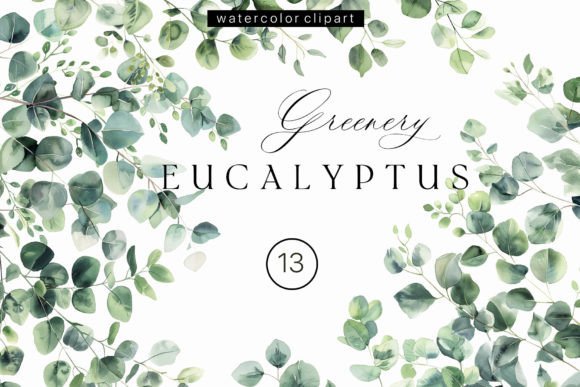
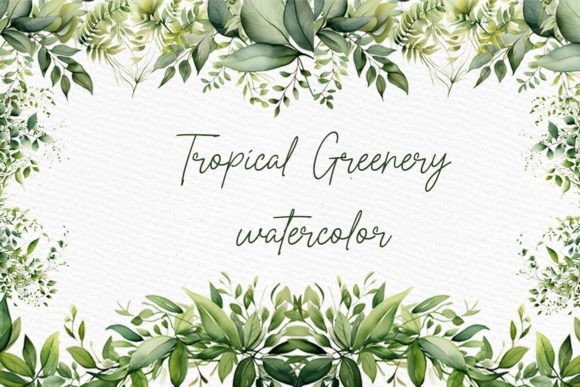
My initial assessment of this Watercolor Tropical Greenery Clipart centers on its visual personality. The designs possess a soft, painterly quality that evokes relaxation and natural beauty. Unlike rigid, geometric vector art, these illustrations feature fluid lines and varying opacity levels that mimic real brushstrokes. For an embroidery project, this is both a blessing and a challenge. The organic shapes are perfect for creating movement in a layout, avoiding the stiff, "stamped-on" look that can plague botanical designs. However, as a reviewer, I am immediately analyzing how these gradients will translate to thread. Watercolor effects in embroidery often rely on blending fill stitch densities or layering sheer threads. If the source file is intended for print rather than stitch, you must verify if it has been digitized specifically for embroidery or if it serves as a reference for custom digitizing. Assuming these are prepared as digital embroidery file assets, the flow of the leaves and stems should guide your needle path efficiently to minimize jumps and trims.
Real-World Application: The Custom Tote Bag Test
To truly judge the viability of this clipart, I mentally place it in a real-life production scenario. Let’s consider a custom canvas tote bag design intended for a summer boutique collection. Totes are high-value items for small shop product lines because they offer a large, flat stitching area ideal for showcasing detailed tropical foliage. In this context, the Watercolor Tropical Greenery Clipart shines as a framing element. I envision using the larger leaf clusters as corner accents or a bottom-border wrap, leaving negative space for personalized monograms or names.
From a production standpoint, canvas provides excellent stability for the stitch density required to replicate watercolor shading. The texture of the canvas complements the organic theme, making the finished product feel cohesive rather than synthetic. For commercial embroidery, this application is efficient; the open spaces in the design reduce stitch count compared to full-coverage botanicals, keeping production times reasonable while maintaining a high perceived value. Customers browsing Etsy listings respond well to this aesthetic because it photographs beautifully in natural light, enhancing the appeal of your printable mockup and final product photography.
Navigating Fabric Limitations and Hoop Constraints
While the tropical theme is versatile, not every substrate is a safe harbor for this style of art. As an experienced reviewer, I must highlight where caution is necessary. Watercolor-style embroidery often involves complex color blending and variable density. On thin, stretchy fabrics like lightweight jersey knits, this can lead to puckering or distortion unless you use aggressive stabilization. If you are planning sweatshirt embroidery or custom apparel on performance wear, test the design on scrap fabric first. You may need to add a cutaway stabilizer and potentially a topping to prevent the stitches from sinking into the fabric pile, which would obscure the delicate watercolor details.
Furthermore, be mindful of hoop size limitations when resizing. Tropical greenery often features long, sweeping stems. Compressing these designs too much to fit a smaller hoop can distort the aspect ratio, making elegant fronds look stubby and unnatural. Conversely, enlarging them beyond their intended digitized parameters can result in sparse coverage where the watercolor effect fails. For curved surfaces like caps, these designs can be tricky; the flat plane of the illustration may not map correctly to the curved brim without significant modification. Always prioritize designs specifically digitized for caps if that is your target embroidered patch or headwear project.
Elevating Product Value Through Strategic Placement
The true value of Watercolor Tropical Greenery Clipart lies in its ability to transform generic blanks into premium handmade products. In the current market, buyers associate watercolor botanicals with artisanal quality and thoughtful design. When used on baby embroidery items like bibs or nursery pillows, the softness of the art style aligns perfectly with the gentle nature of the product. However, for baby items, safety and comfort are paramount. Ensure the back of the embroidery is smooth; excessive jump stitches or dense underlay in watercolor simulations can irritate sensitive skin. Using a fusible backing or lining is a professional touch that signals quality to parents.
For holiday embroidery or wedding gifts, this clipart offers a fresh alternative to traditional seasonal motifs. A tropical wreath or floral spray can modernize a personalized gift, making it relevant year-round rather than just seasonally. This versatility increases the ROI on your design assets. From a branding perspective, consistent use of this specific artistic style across your shop creates visual recognition. When customers see that distinct watercolor tropical vibe, they immediately associate it with your brand, building trust and encouraging repeat purchases.
Critical Designer Notes for Professional Results
Before you load this embroidery file into your machine for a client order or shop stock, run through this practical checklist derived from years of testing:
- Verify Licensing: Confirm whether the Watercolor Tropical Greenery Clipart license permits commercial use on finished physical products versus digital resale. Never assume; always check the terms to protect your business.
- Thread Color Matching: Watercolor art relies on nuance. Standard solid threads might look flat. Consider using variegated threads or blending two shades in the needle (if your machine allows) to capture the gradient essence of the original illustration.
- Density Check: Inspect the file in your editing software. If the design is meant to look painted, ensure there aren't overly dense satin stitch areas that could perforate delicate fabrics like linen tea towels.
- Contrast Testing: These designs often feature mid-tone greens and teals. Test on both white and dark fabrics. You may need to adjust underlay or add a white base layer on dark garments to maintain the vibrancy of the watercolor effect.
- Mockup Accuracy: When creating a printable mockup for your store, do not simply overlay the digital image. Use a realistic stitch simulation or photograph a test sew-out. Misrepresenting the texture leads to returns and negative reviews.
- Washability: Tropical items like beach towels and aprons face frequent laundering. Ensure the stitch type is durable. Long running stitches used for detail in watercolor art can snag; secure them properly during digitizing or choose files known for structural integrity.
Ultimately, Watercolor Tropical Greenery Clipart represents a beautiful intersection of digital art and textile craft. When treated with the respect due to a technical medium, it yields stunning results that resonate with modern consumers. Whether you are creating a signature applique design for sweatshirts or delicate accents for nursery decor, let practical judgment guide your creative choices. The goal is not just to reproduce an image, but to create a tangible, lasting piece of art that honors both the original illustration and the craft of embroidery.