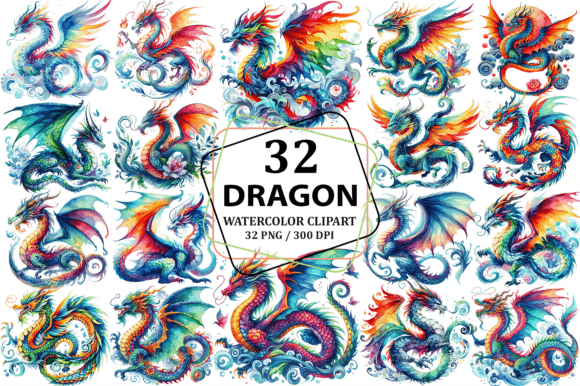
Watercolor Dragon Clipart Sublimation Illustrations
Evaluating Whimsy for Artisan Tea Brand Identity
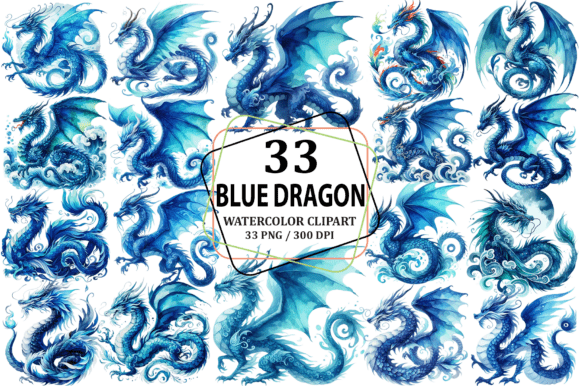
When reviewing a new graphic design asset for a client project, my first assessment always focuses on emotional resonance and commercial viability. Recently, while developing a brand identity for "Ember & Leaf," a local artisan tea shop and apothecary, I evaluated this specific Watercolor Dragon Clipart Sublimation collection. The immediate impression was one of soft mysticism rather than aggressive fantasy. Unlike bold, vector-based gaming graphics, these illustrations possess a translucent, organic quality that suggests heritage, warmth, and handcrafted care. For a small business branding project targeting customers who value relaxation and natural ingredients, this mood is essential. The watercolor texture bridges the gap between mythical storytelling and tangible, earthy product experiences, making it highly suitable for boutique owners, handmade sellers, and wellness brands seeking a narrative-driven aesthetic.
Translating Digital Art to Physical Packaging Design
In commercial design, an asset must perform across multiple touchpoints. During the Ember & Leaf project, we tested this Watercolor Dragon Clipart Sublimation specifically for packaging design applications. The soft edges of the watercolor style proved exceptionally effective for product label integration. Because the artwork lacks harsh outlines, it blends seamlessly into colored paper stocks and kraft textures without creating a visual "sticker" effect that can cheapen a brand's appearance. We utilized the dragon motifs as secondary brand elements on hang tags and thank-you cards, reinforcing the unboxing experience without overwhelming the primary logo. For sublimation purposes, the color saturation in the digital files translated beautifully onto ceramic mugs and polyester tote bags, maintaining vibrancy after heat pressing. This versatility confirms its value as a core component of design assets for businesses selling both physical goods and branded merchandise.
Strategic Placement for Visual Hierarchy and Shelf Appeal
Effective visual hierarchy dictates where decorative elements should live. In our case study, this clipart worked best as a framing device or background texture rather than a central focal point competing with product names. On social media, however, the rules shift. We used high-resolution versions of the Watercolor Dragon Clipart Sublimation as hero graphics for Instagram stories and promotional banners. The intricate details captured attention in the feed while leaving ample negative space for marketing copy. For editorial design within a seasonal lookbook, the illustrations provided necessary visual breaks between text-heavy descriptions of tea blends. This strategic application demonstrates how marketing visuals can be elevated through thoughtful placement, ensuring the art supports sales goals rather than distracting from them.
Navigating Limitations in Professional Branding Contexts
No single asset fits every scenario, and professional branding requires knowing when to exercise restraint. While this Watercolor Dragon Clipart Sublimation excels in whimsical and organic contexts, it requires careful handling in formal corporate environments or luxury minimalist brands. The inherent softness of watercolor can struggle against stark black backgrounds or highly technical layouts. During our testing phase, we found that scaling the illustration down below two inches resulted in a loss of detail, making it unsuitable for tiny ingredient labels or legal compliance areas. Furthermore, if your local business relies on dense information architecture, such as nutritional panels or instruction manuals, this decorative style may reduce legibility. Designers must ensure the artwork enhances readability and trust rather than cluttering the communication channel.
Technical Pre-Press Checklist for Small Business Owners
Before committing any digital product to print production, rigorous technical validation is non-negotiable. Based on my workflow with this asset, here are critical checks for creative entrepreneurs:
- Verify Commercial Licensing: Always confirm the commercial license permits physical product sales and sublimation use before listing items in your shop.
- Test Transparency and Edges: Inspect the PNG design files for clean transparency. Jagged white halos around watercolor edges can ruin a professional product mockup or final print.
- Assess Color Profiles: Watercolors often rely on subtle gradients. Convert RGB files to CMYK and print a physical proof to ensure colors do not muddy during the packaging design process.
- Evaluate Font Pairings: Test the clipart beside your chosen typography. These soft illustrations typically pair better with elegant serifs or organic handwritten fonts than with rigid geometric sans-serifs.
- Check Scalability: If using for large format signage or web banners, ensure resolution remains crisp. Raster clipart has limits; verify dimensions match your largest intended application.
- Review Competitor Landscape: Search your niche to ensure this specific Watercolor Dragon Clipart Sublimation hasn't been oversaturated in your local market, preserving brand distinctiveness.
Building Customer Trust Through Cohesive Storytelling
Ultimately, the goal of integrating Watercolor Dragon Clipart Sublimation into a brand identity is to foster connection. For the Ember & Leaf project, the consistent use of these mythical yet gentle visuals created a cohesive world that customers could step into. When handmade business owners use such assets intentionally, they signal attention to detail and respect for their craft. The artwork becomes more than decoration; it becomes a visual shorthand for the brand's values. Whether applied to a Canva template for quick social updates or custom-printed packaging, the asset serves as a bridge between the maker and the buyer. By treating this graphic design asset with the same rigor as a custom-commissioned piece, small businesses can achieve modern design aesthetics that feel authentic, premium, and deeply resonant with their target audience.
Final Thoughts on Asset Selection for Creative Entrepreneurs
Selecting the right illustrations is a strategic business decision. This Watercolor Dragon Clipart Sublimation collection offers significant potential for food businesses, florists, children’s product brands, and seasonal campaigns where storytelling drives value. However, success lies in execution. By understanding its strengths in texture and mood, respecting its limitations in scale and formality, and adhering to technical best practices, designers and business owners can transform a simple digital product into a powerful engine for brand recognition. Remember that in small business branding, every visual choice communicates something to your customer. Choose assets that align not just with what looks pretty, but with what builds lasting trust and clearly articulates your unique value proposition in a crowded marketplace.