Pionies Watercolor Illustrations: A Designer’s Review
Evaluating Visual Mood for Boutique Branding Projects
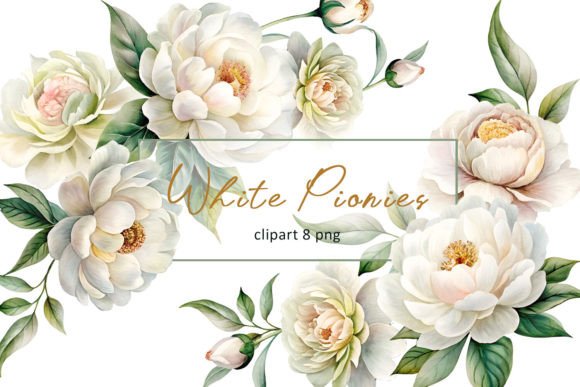
When sourcing a graphic design asset for a client in the handmade or wellness space, my primary concern is always emotional resonance. Technical specs matter, but if the art does not evoke the right feeling, the project fails. Upon reviewing Pionies Watercolor. Pionies Clipart, the immediate impression is one of soft sophistication and organic warmth. These are not stiff, vector-traced flowers; they possess the genuine texture and fluidity of traditional media. For a current project involving a luxury botanical skincare line, this specific collection offers the delicate balance between rustic charm and high-end elegance that stock photography often lacks.
The visual mood created by these illustrations leans heavily into romanticism and natural beauty. They feel curated rather than generic. In a creative marketplace saturated with overly saturated or cartoonish florals, this set stands out for its muted, realistic palette. It naturally suits clients who value authenticity, such as wedding planners, artisanal bakers, or sustainable fashion brands. The watercolor bleed and brushwork details suggest human touch, which is essential when building trust for a handmade business or a personal brand narrative.
Performance Across Packaging and Digital Touchpoints
A versatile design bundle must perform across multiple mediums. I tested Pionies Watercolor. Pionies Clipart specifically for product labels and social media integration. In packaging design, the transparency of the watercolor allows it to sit beautifully on textured paper stocks without looking like a digital sticker. The edges blend seamlessly into cream or uncoated backgrounds, maintaining the integrity of a premium unboxing experience. For a serum bottle label, the floral elements provided enough visual interest to anchor the layout without competing with regulatory text.
Digitally, the asset translates well to social media graphics and web design. When used as a corner accent on Instagram carousels or Pinterest pins, it frames content without overwhelming it. I found it particularly effective for Canva template creation, where non-designers need forgiving assets that look professional even when resized. However, for logo design, caution is required. While beautiful, watercolor textures can lose definition at favicon sizes. This clipart works best as a supporting brand element or pattern rather than a primary logomark, ensuring the brand identity remains legible across all platforms.
Optimal Applications for Print-on-Demand and Editorial Layouts
For creators focused on print-on-demand merchandise, the resolution and composition of Pionies Watercolor. Pionies Clipart support large-format printing. The files hold up well on t-shirt design and tote bags, where the watercolor texture adds a vintage, worn-in quality that sells better than flat color. In editorial design, such as blog headers or magazine spreads, these illustrations serve as excellent negative space fillers. They guide the eye through the page without creating visual clutter. For Etsy product listings, using these florals in mockups elevates the perceived value of digital downloads and physical goods alike.
Navigating Limitations in Minimalist and Corporate Contexts
No digital product is universally applicable. Pionies Watercolor. Pionies Clipart should be used sparingly in strict corporate environments or tech-focused branding. The inherent softness can undermine messages requiring authority, precision, or urgency. Furthermore, in crowded layouts with complex backgrounds, the subtle watercolor gradients may disappear. If your project requires high-contrast accessibility or minimalist geometry, this asset might introduce unnecessary noise. Always consider the visual hierarchy; if the flower draws attention away from the call-to-action, it is serving the wrong purpose. It is also less suitable for small-scale sticker design unless simplified, as fine watercolor details can muddy during the cutting process.
Technical Vetting for Professional Commercial Use
Before integrating any clipart into a paid deliverable, rigorous technical testing is non-negotiable. My review process for Pionies Watercolor included several stress tests to ensure it meets professional standards for commercial design.
- Transparency Check: Inspect the PNG design files at 400% zoom. Look for jagged edges or white halos around the petals. Clean masking is vital for dark background applications.
- Contrast Testing: Place the illustration on both pure white and deep charcoal backgrounds. Ensure the watercolor values remain distinct and do not wash out.
- Typography Pairing: Test against various typefaces. This set pairs exceptionally well with high-contrast serif fonts for a classic look or clean sans-serif fonts for modern design. Avoid pairing with overly ornate script fonts, as the competition creates visual fatigue.
- Print Verification: Always print a physical proof. Screen brightness lies; verify that the ink density captures the watercolor wash accurately on your intended substrate.
- Licensing Confirmation: Scrutinize the commercial license. Confirm whether you can use the asset in end products for sale, such as sublimation design transfers or editable templates, versus personal use only.
Strategic Value for Small Business Growth
Ultimately, Pionies Watercolor. Pionies Clipart represents a strategic investment for designers and business owners aiming to elevate their aesthetic without commissioning custom fine art. For a small business branding package, it provides a cohesive visual thread that connects marketing visuals, packaging, and digital presence. The consistency builds recognition and emotional appeal, turning casual viewers into loyal customers.
However, professionalism dictates restraint. Use these design assets to enhance, not define, the brand strategy. When applied with intention—respecting whitespace, honoring readability, and aligning with brand values—this collection transforms standard layouts into memorable experiences. Whether you are crafting a Cricut project for a craft fair or designing a website for a florist, the success lies in treating the illustration as a collaborative partner in the design system, not just a decorative afterthought. By validating both the emotional impact and technical robustness, designers can confidently recommend this asset for projects demanding genuine artistic quality.