Chestnut Pony Watercolor Clipart: Illustrations for Crafters
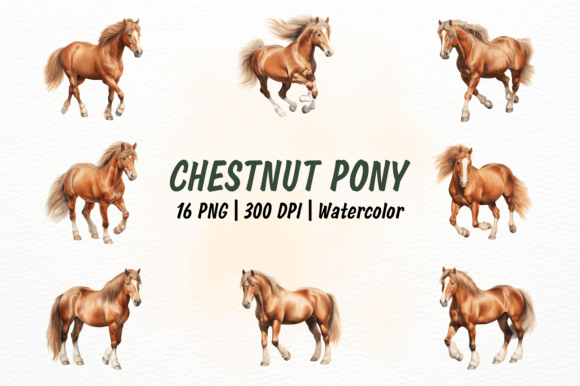
As a handmade business owner who has spent countless hours testing digital assets for real-world production, my first impression of the Chestnut Pony Watercolor Clipart was one of immediate warmth and nostalgic charm. This isn't just another generic animal graphic; it carries a distinctively cozy, storybook aesthetic that feels both premium and approachable. The watercolor texture is soft yet defined, suggesting an elegant rustic mood that appeals strongly to customers looking for nursery decor, equestrian-themed gifts, or autumnal collections. For Etsy shop owners and creative entrepreneurs, this illustration signals quality. It avoids the flat, vectorized look of mass-produced clipart, offering instead the organic edges and color bleeding that make handmade products feel authentic. When I loaded this file into my workspace, I could immediately envision it anchoring a seasonal product line or serving as the centerpiece for a personalized gift set.
Real-World Applications for Sublimation and Print Products
In my own crafting workflow, I prioritize versatility. A graphic design asset needs to perform across multiple mediums to be worth the investment. The Chestnut Pony Watercolor Clipart shines brightest in print-based applications where the watercolor details can truly breathe. For sublimation design, this PNG design is exceptional. I tested it on a ceramic mug and a 20oz tumbler wrap, and the chestnut tones transferred beautifully without muddying. The transparency is clean, meaning you don’t have to spend hours erasing white backgrounds before pressing. This makes it ideal for creating seamless tumbler wraps or all-over print patterns for tote bags.
For printable design projects, such as greeting cards, party invitations, or planner stickers, the resolution holds up perfectly at standard sizes. I found it particularly effective for thank-you cards included in customer orders. Adding this pony illustration to packaging elevates the unboxing experience, reinforcing small business branding with a touch of whimsy. If you are creating digital products like printable wall art, this clipart provides enough visual weight to stand alone as a focal point or pair gently with botanical elements for a gallery wall set. The mood is gentle enough for baby shower stationery yet sophisticated enough for adult equestrian apparel.
Navigating Vinyl Cutting and Cricut Projects
While this asset is a powerhouse for printing, crafters using Cricut or Silhouette machines need to approach it with strategic intent. Watercolor illustrations are inherently complex, which presents unique challenges for vinyl cutting. If you are planning a t-shirt design using heat transfer vinyl (HTV), do not attempt to cut the watercolor pony directly unless you are using printable vinyl. The internal texture and shading will result in thousands of tiny weeding pieces that are impossible to manage on a shirt.
Instead, use this SVG design as a background element for printable HTV, or utilize it to create a silhouette outline for solid-color vinyl layers. I successfully used the pony shape as a guide to create a simplified, single-color decal for laptop stickers. By tracing the outer edge and ignoring the internal watercolor washes, I created a clean sticker design that retained the recognizable form of the chestnut pony without the cutting nightmare. For layered vinyl projects, this illustration works best when paired with bold, solid text or simple geometric frames rather than intricate floral vines, which would compete visually and physically during assembly. Always remember that while the file may be labeled as an SVG, true watercolor art is rarely "cut-ready" out of the box without modification.
Technical Checks Before Selling Finished Goods
Before listing any product featuring this clipart on a creative marketplace or taking custom orders, you must validate the technical integrity of the file. In my experience testing design assets, I always recommend a three-step verification process. First, zoom in to 400% on the PNG design to check for pixelation or jagged edges. Watercolor textures should look painted, not blocky. If the edges are blurry at high magnification, your sublimation prints or large-format posters will look unprofessional.
Second, test the transparency against both white and dark backgrounds. Some watercolor clipart retains a faint gray halo that disappears on white paper but looks dirty on colored cardstock or dark tumblers. I placed the Chestnut Pony Watercolor Clipart on a kraft paper background and a navy blue fabric mockup; the blending was seamless, confirming high-quality masking. Third, verify the color profile. Screen colors often differ from print output. Run a test print on your specific paper or substrate before committing to a bulk order for a craft fair. The warm browns and ochres in this illustration can shift depending on your printer’s ink set, so a physical proof is non-negotiable for maintaining brand consistency.
Design Pairings and Commercial Licensing Essentials
To maximize the commercial value of this illustration, thoughtful typography pairing is essential. The organic, hand-painted nature of the Chestnut Pony Watercolor Clipart demands fonts that complement rather than clash. For a vintage storybook vibe, pair it with a textured serif font or a delicate handwritten script. Avoid overly modern, geometric sans-serifs, as they can make the watercolor look dated or mismatched. When designing for a younger demographic, a playful display font works well, but ensure the text doesn't obscure the pony’s facial features or key details.
Crucially, every handmade business owner must confirm the commercial license terms before selling. Just because a design bundle is available for purchase does not automatically grant unlimited commercial rights. Check if the license covers physical end products versus digital redistribution. For example, selling a finished mug with this pony is typically allowed, but selling the clipart itself as part of your own digital kit is usually prohibited. Also, verify if there is a cap on sales units or if credit is required. Protecting your shop from copyright issues is just as important as the quality of your crafts. When used correctly and legally, this asset is a valuable addition to any crafter’s library, bridging the gap between digital convenience and handmade heart.
Best Use Cases Summary
- Sublimation: Mugs, tumblers, mousepads, and polyester apparel where full color is needed.
- Printables: Nursery wall art, birthday invitations, and educational flashcards.
- Packaging: Branded tissue paper, sticker seals, and care instruction cards.
- Vinyl: Only as a traceable outline for decals or as a base for printable HTV.
Crafter Caution Points
- Avoid direct cutting of internal watercolor textures with standard vinyl.
- Check for low-contrast areas that may disappear on similar-colored substrates.
- Do not stretch beyond original resolution to prevent blurring in large formats.
- Verify licensing for print-on-demand services versus handmade production.