Autumn Garden Watercolor: An Embroidery Review
When evaluating a new machine embroidery design for commercial or personal use, the first thing I look for is translatability. A digital illustration might look stunning on a screen, but does it hold up when converted into thousands of physical stitches? As a designer who regularly creates custom apparel and boutique merchandise, I approached the Autumn Garden Watercolor collection with a critical eye. This review breaks down how this specific set of Illustrations performs in real-world production scenarios, moving beyond aesthetic appreciation to practical application for makers, Etsy sellers, and creative entrepreneurs.
Capturing Organic Softness in Thread
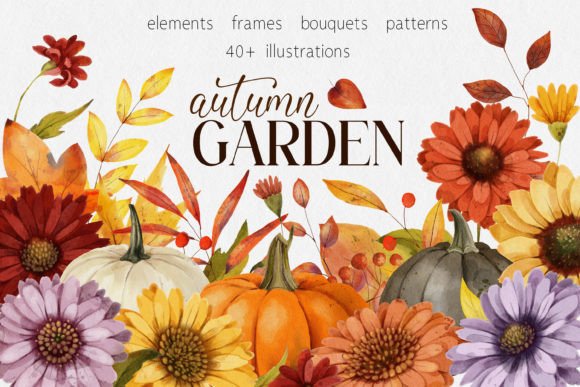
The immediate strength of Autumn Garden Watercolor lies in its mood. Unlike rigid, geometric vector art, this design mimics the fluid edges and color blending of traditional painting. For an embroidery project, this presents both an opportunity and a challenge. The visual personality is undeniably nostalgic and warm, making it ideal for holiday embroidery or cozy seasonal collections. However, achieving that watercolor effect requires careful attention to stitch density and thread blending.
In my assessment, the layout avoids heavy, solid blocks of ink that often cause fabric puckering. Instead, it utilizes negative space effectively. This is crucial when planning a sweatshirt embroidery project or working with lighter knits. The design feels breathable rather than bulletproof, which preserves the drape of the garment. For those selling handmade products, this organic softness signals high-quality craftsmanship to buyers who are tired of stiff, mass-produced graphics.
Real-World Application: The Linen Tote Test
To truly judge viability, I mentally placed Autumn Garden Watercolor onto a natural linen tote bag design. Linen has a distinct weave and texture that can either enhance or ruin delicate artwork. In this scenario, the design’s painterly style complements the fabric's rustic nature perfectly. The irregular edges of the botanical elements hide minor registration shifts that might occur on textured fabrics, whereas crisp lines would expose every flaw.
For small shop product lines, this versatility is valuable. I can envision this design transitioning seamlessly from a tote bag to a tea towel or a nursery pillow cover without losing its impact. When creating a personalized gift, such as a baby blanket, the softer aesthetic feels appropriate and gentle. It avoids the harshness of high-contrast cartoons, positioning the finished item as a premium heirloom piece rather than a novelty. For commercial embroidery businesses, having a design that works across multiple substrates reduces digitizing costs and expands inventory potential.
Navigating Fabric Limitations and Stabilization
While versatile, Autumn Garden Watercolor demands respect regarding substrate selection. Because the design relies on tonal variation to create depth, it struggles on highly textured or pile fabrics like terry cloth or thick fleece. The subtle color shifts get lost in the nap. Similarly, stretchy performance fabrics require significant stabilization; otherwise, the organic shapes will distort during washing.
- Dark Fabrics: Watercolor styles often rely on light-to-medium values. On black or navy garments, you must test thread colors extensively. You may need to add an underlay or adjust the palette to maintain contrast, or the design will disappear.
- Sheer Materials: If using this for window clings or sheer curtains, verify that the fill stitch patterns aren't too dense, which could tear delicate fibers.
- Curved Surfaces: Hooping caps or sleeves requires centering the focal point precisely. The asymmetrical nature of garden illustrations can look unbalanced if not aligned with the garment's seam or fold.
Always pair this embroidery file with the correct stabilizer. For wovens, a tear-away usually suffices, but for knits or stretchy blends, a cut-away is non-negotiable to prevent the "watercolor" edges from pulling away from the fabric after laundering.
Technical Considerations for Professional Results
Before loading Autumn Garden Watercolor into your machine, conduct a thorough technical audit. As with any third-party digital embroidery file, never assume compatibility or perfection. Stitch counts and hoop size requirements vary significantly between digitizers. Always check the included spec sheet against your machine’s capabilities before purchasing or stitching.
I strongly recommend running a sew-out on scrap fabric identical to your final project. Pay close attention to the transition areas between colors. In watercolor-style embroidery, these transitions should be gradual. If you see hard lines or excessive jump stitches, you may need to edit the file or adjust your trim settings. Also, inspect small details like stems or leaf veins. If they are rendered as tiny satin stitch columns under 1mm, they may shred or sink into loose-weave fabrics. Converting these to a running stitch or triple stitch can save the integrity of the design.
Mockups and Merchandising Strategy
For Etsy sellers and online vendors, presentation is everything. Because Autumn Garden Watercolor has a distinct artistic vibe, standard flat-lay photos might not do it justice. Utilize printable mockup templates that feature natural lighting and lifestyle contexts. Show the design on a person wearing the sweatshirt in an outdoor setting, or styled next to dried flowers and ceramic mugs. This contextualizes the design assets and helps customers visualize the emotional value of the finished product.
Furthermore, consider how this design fits your brand consistency. If your shop specializes in neon, bold typography, this soft illustration might feel out of place. However, if you focus on cottagecore, vintage revival, or eco-friendly goods, it reinforces your niche. Consistency builds customer trust and recognition, turning one-off buyers into repeat clients.
Licensing and Commercial Integrity
A critical aspect of reviewing any embroidery project asset is understanding usage rights. Before listing items made with Autumn Garden Watercolor, confirm the license terms. Some designers allow unlimited physical sales but prohibit digitizing the image yourself or selling the applique design file itself. Others may require attribution or have caps on production quantities.
Respecting these terms protects your business and supports the original artist. Clear licensing also allows you to confidently answer customer questions about the origin of your designs, adding a layer of transparency and professionalism to your craft business. Never assume a file is free for commercial use just because it was downloaded; always verify.
Final Verdict for Makers
Autumn Garden Watercolor represents a strong contender for seasonal and evergreen collections alike, provided it is treated with technical care. Its success depends less on the file itself and more on the maker's willingness to test, stabilize properly, and choose compatible fabrics. For the experienced embroiderer willing to put in the prep work, this design offers a pathway to elevated, gallery-worthy merchandise that stands apart from generic clip-art embroidery. Whether you are crafting a baby embroidery keepsake or stocking your boutique for the fall rush, approach this design as a collaboration between digital art and textile craft, and the results will reflect that intentional balance.